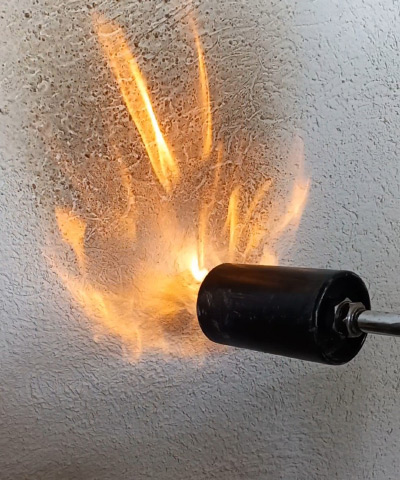
Fire Insulation Plaster
Fire insulation plaster is a critical component for enhancing the fire safety of buildings. Here are some key points regarding its importance:
-
Fire Resistance: Fire insulation plaster prevents heat transfer during a fire, protecting the interior parts of the structure. This delays the spread of fire and allows more time for evacuation.
-
Material Protection: The plaster safeguards internal electrical installations, plastic pipes, and other flammable materials from damage during a fire.
-
Noise and Thermal Insulation: Fire insulation plasters often provide sound and heat insulation, improving overall building comfort.
-
Legal Requirements: In many countries, complying with fire safety standards in buildings is a legal obligation. Fire insulation plaster helps meet these standards.
-
Insurance Benefits: Fire safety measures can lead to reductions in insurance premiums. Fire insulation plaster may contribute to such advantages.
-
Firefighting Support: Fire insulation plaster enables firefighting teams to operate more effectively by slowing fire spread and reducing intervention time.
Fire insulation plaster is vital for both structural integrity and safety, making it an essential consideration in construction projects.
Sustainability Benefits of Fire Insulation Plaster:
-
Energy Efficiency: By enhancing thermal insulation, fire insulation plaster reduces energy consumption for heating and cooling, leading to energy savings.
-
Longevity: High-quality fire insulation plasters have a long lifespan, minimizing the need for replacement and reducing material and energy use.
-
Fire Safety: By delaying fire spread, fire insulation plaster reduces potential damage and material loss, supporting both environmental and economic sustainability.
-
Recyclable Materials: Some fire insulation plasters are made from recycled or eco-friendly materials, reducing environmental impact.
-
Structural Durability: Fire insulation plaster improves the structural resilience of buildings, also offering protection against other environmental threats such as natural disasters.
-
Indoor Air Quality: It helps maintain better indoor air quality by preventing the spread of toxic gases during a fire.
The sustainability advantages of fire insulation plaster provide significant environmental and economic benefits, making it a valuable component in modern construction.
Definition of Fire Insulation Plasters:
Fire insulation plasters are typically mineral-based or organic-component products with high heat resistance and non-combustible properties. They are used on interior and exterior surfaces of buildings, especially in areas critical to fire safety.
Key Features:
-
Fire Resistance: Able to withstand high temperatures without combustible ingredients, protecting structural elements by blocking heat transfer during fire.
-
Thermal Insulation: Reduces heat transfer during fire, helping protect building interiors.
-
Sound Insulation: Enhances interior comfort by providing sound insulation.
-
Easy Application: Usually applied as plaster, easy to work with and adaptable to various surfaces.
-
Eco-Friendly: Many fire insulation plasters are made from environmentally friendly materials and do not emit toxic gases.
Applications:
-
Exterior and Interior Facades: Used to increase fire safety on building surfaces.
-
Ceilings and Walls: Especially in fire exits and fire compartments.
-
Fire Doors and Insulation Elements: Protective coatings for fire doors and other insulation components.
Application Methods:
-
Preparation: Cleaning, smoothing, and priming the surface before application as needed.
-
Plaster Application: Can be applied manually or mechanically; thickness and layers depend on project requirements.
-
Drying Process: Allowing the plaster to dry completely; drying time varies depending on environmental conditions.
Performance Standards:
Fire insulation plasters should be tested according to international fire safety standards, which define fire resistance durations and other performance criteria.
Advantages:
-
Fire Safety: Enhances building safety and protects human life.
-
Cost-Effectiveness: Investment in fire safety reduces potential fire damage costs.
-
Long-Term Protection: High-quality products are durable and require minimal maintenance.
Conclusion:
Fire insulation plasters are crucial for building safety. Proper product selection and application improve structural resilience during fire, helping to minimize material loss and protect lives.